What is happening with the proposed redevelopment of the Missoulian newspaper building?
What happened? A former industrial property on the banks of the Clark Fork River was recently purchased. The buyer announced plans for a modern real-estate and mixed-use development. This proposal was met by a significant amount of public response, including publicly disclosed exchanges between a select developer and members of the public. The exposure of these exchanges led to some temporary pauses in development plans and operations by the builder, as well as public apologies by specific members of the investment team. The public response surrounding the proposed development reflects the greater housing, economic, and policy challenges facing Missoula.
Key Questions addressed in this article:
What is the property and why is it being discussed?
Who are the important stakeholders involved?
What are some of the key issues shaping the discussion?
How are these issues being addressed?
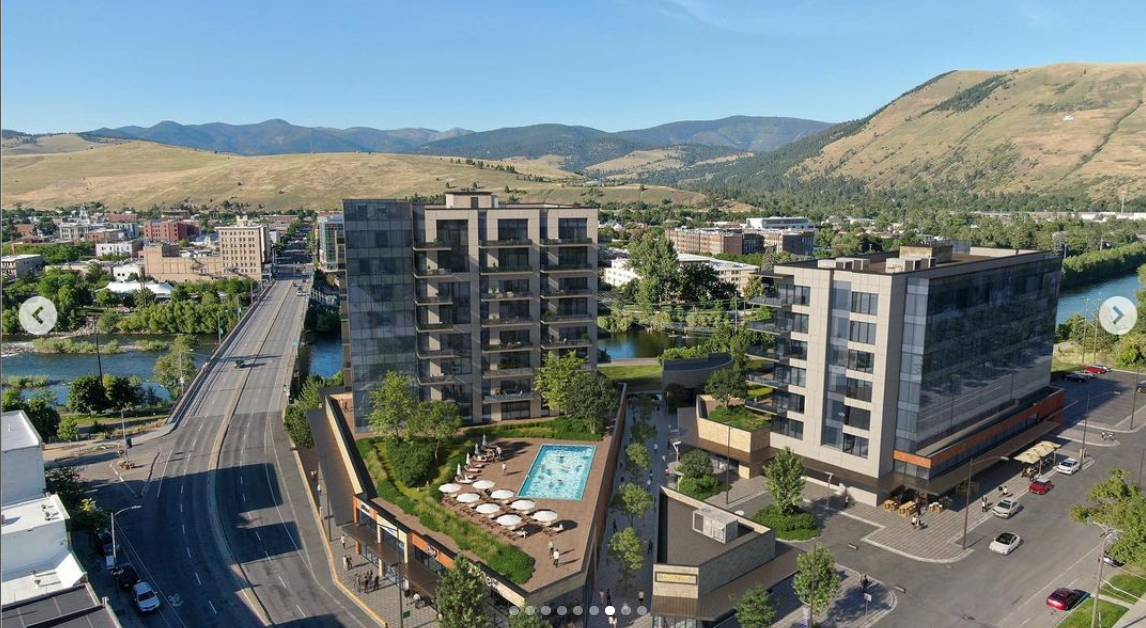
500 South Higgins Street (bottom center)
The Property
500 South Higgins Street (“500 South”) sits on the South bank of the Clark Fork River that winds through the heart of downtown Missoula. The large 56,000 square foot facility was originally built in 1988 and has effectively served as the home of The Missoulian newspaper in what is colloquially known as the “Hip Strip” neighborhood across downtown’s Higgins Street Bridge. The Missoulian itself is a storied newspaper, with roots dating back to 1870 during Montana’s pioneer era. Recently, the newspaper relocated to a new building further in downtown, and this facility subsequently went on sale in 2021.
Stakeholders Involved
The original property owner was Lee Enterprises, a national publicly traded media company who took over ownership of The Missoulian newspaper in 1959. The property was recently purchased through a joint effort between two groups: Utah-based Wags Capital, effectively represented/led by Aaron Wagner, and Bergquist Developments, represented by University of Montana alumni Cole Bergquist. Partnering with this investor group is Missoula-based engineering and planning firm WGM Group. There are certainly other team members involved in other areas of the project (such as interior design and marketing partners) but the above comprise much of the core group.
In terms of public and city planning + decision-making, there are a few organizations and departments either directly or indirectly involved in Missoula city-area property development and related discussions around 500 South. The Missoula City Council is at the forefront of public planning, which includes the City of Missoula Development Services. Execution and support of this planning is largely carried out and supported by a nexus of three downtown-centric organizations: the Missoula Downtown Association (Planning), the Downtown Business Improvement District (Maintenance and Upkeep), and the Missoula Downtown Foundation (Fundraising), of which the proposed project fits into as part of the overall Missoula Growth Policy and more recent City Downtown Plan (Notable is page 48 / section 2.32 of the Plan, which details proposed development ideas, concerns, and considerations related to the Hip Strip where 500 South resides). It’s also important to note that, in addition to the above organizations, there is a set of loosely affiliated or connected groups that have some input or influence on planning related topics, such as the Missoula Association of Realtors. While all are engaged in public planning, it’s important to reiterate that 500 South is ultimately a private property sale, and none of these groups have direct say in where/what properties can be sold or purchased, as will be reiterated and referenced with regards to property law in later sections.
Key Drivers Shaping the Conversation
Why was there such a strong response to 500 South? Some of the public reaction connects to the very public exchanges that occurred between a specific developer and members of the Missoula public (which will be reviewed in later sections), but the animosity surrounding modern real-estate development in Missoula didn’t start with this proposal. Missoula’s real-estate headwinds have been known for many years, even pre-pandemic. Heading into 2022, Missoula sits at the crossroads of several competing economic issues and social factors, and the circumstances and events surrounding 500 South are in many ways an amalgamation of these challenges. Ultimately the debate centers on how Missoula continues to rapidly change due to Pandemic-fueled housing shortages, rising costs of living and wage pacing, an evolving local economy, and perspectives around an influx of out-of-state residents (particularly to Montana). It’s important to note here that even though the housing and economic concerns in Missoula pre-date the Covid-19 pandemic, the virus largely served to expedite and exacerbate the challenges and bring them to the forefront of public attention. Here is a brief breakdown of each of these four factors:
(1) Pandemic Fueled Housing
Pre-pandemic, Missoula was growing on average ~1-2% per year for the roughly the last 10 years. Housing and industry-related shortages were already well-documented, and planning was underway to start addressing and resolving some of the challenges. Two years before the arrival of Covid-19, the City of Missoula Development Services was already producing comprehensive reports on the challenges and opportunities for future real-estate development in the county. The arrival of Covid-19 and the subsequent national mass exodus of urban populations into open spaces compounded these challenges. Housing in lesser dense areas was and continues to be swept up nationwide, particularly in Montana where open spaces in mountain cities were some of the most desirable locations. The result was foreseeable for Montana’s major urban areas: cities like Bozeman and Missoula saw an exponential growth in housing cost and rapid decline in affordability: From February 2020-June 2021, Missoula witnessed a 33% increase in home prices, 18% increase in monthly mortgage payments, and a 10% increase in monthly rent. A recent report by Kellie Hwang for the San Francisco Chronicle summarizes the extent of Missoula Housing challenge:
Hwang's report in the Chronicle shows Missoula had the most extreme changes in the country in home values and inventory. Between January 2020 to January 2022, the cost of a home in Missoula shot up 57%. Inventory declined 58%. Missoula also had some of the lowest inventory per capita, with about 1.4 homes per 1,000 people on average.
Stacked on top of this housing crunch is the pinch of inflation not seen in over 40 years (more on this in the next section), and the expected result is a contentious environment for many locals who have quickly seen their quality of life dissipate and the culture of the city continue to evolve and shift.
(2) Jobs, Workers, and Wages
Missoula’s local economy continues to grow and transform as local industry is pushed to adapt to a changing national workforce. A common and recurring national headline, “The Great Resignation”, depicts a U.S. economy as experiencing one of the highest employee resignation/transition rates in history. This resignation challenge is particulary difficult in Missoula: An overall lack of employees continues to be a drag on the local economy, where over 2,000 workers have exited the workforce altogether due to a confluence of Covid-19 and a lack of affordable housing options. At the same time, steadily rising wages are not keeping up with the national and state-wide inflation and subsequent increases in the cost of living, as measured by the CPI-U for Montana:
The rate of inflation, with the Consumer Price Index for All Urban Consumers (CPI-U) increased by 0.5% in December. Over the last 12 months, inflation has surged 7.0%, a 40-year high. Energy prices are up 29.3%, with fuel oil up 41% and gasoline up 49.6%. Grocery prices are up 6.5%, including baby food up 7.9%. Prices for new cars and trucks are up 11.8%, used cars and trucks up 37.3%, and motor vehicle parts and equipment up 11.3%. The index for all items less food and energy, referred to as core inflation and an important metric for future inflation expectations, increased 0.6% in December.
Source: Missoula Economic Partnership, 2021 Annual Report
Both the nature of work and shifts in earnings are pushing lifestyle changes in the city and surrounding county (see charts “Missoula Economic Partnership, 2021 Annual Report”). These changes are driven both internally and externally, and on the former Missoula public officials and advisors continue to explore ways to diversity and expand Missoula-based industries and employment hubs, which have traditionally been majority-led by the health and education spaces. Examples include an ATG Cognizant-UM Program “All-In Missoula” which is tailored to provide graduates with essential skillsets in business, analytics, systems, and other capabilities which generally tailor towards professional services and related technology sectors. Also relevant was the (now squashed due to public policy decisions) proposal to stand-up a Missoula-based film and television hub to cement Missoula’s role in the State’s entertainment and media sectors, and the ongoing work to fund and launch an economic development zone in the Wye (near the Missoula airport). The employment debate in Missoula is in some senses a double-edged sword: Missoula locals reasonably demand increases in wages to keep pace with rising costs of living, but current local industries and employment sectors in Missoula lend themselves towards middle/average salaries across the hospitality, retail, and education sectors. Efforts such as the ATG program will, in the mid-to-long-term, produce the business, technology, and professional services careers that generate higher incomes, but at the potential risk of pushing out (largely through rent increases) the industries and social works that shaped Missoula’s culture. The debate here rages on, two years into the pandemic, and is baked into some of the driving factors leading to the response to the 500 South proposal.
The on-the-ground reality is workforce modernization efforts like the above will certainly help achieve long-term public policy goals (including further diversifying Missoula’s economy and increasing the potential of higher-skill and higher incomes means of employment), however in the immediate term the local economy is still predominately working-class with significantly less access and potential for skills transfer into these other jobs and roles. The expected (and understandable) result is an ongoing shift in local sentiment around the impact to traditional jobs and ways of life, in particular rising angst towards the causal factors which are primarily centered on inflation and rising housing costs from an influx of out-of-state residents, as will be reviewed in the next section.
(3) Out-of-State Appeal
For Montana, and in particular small “mountain towns” such as Bozeman and Missoula, the localized impact of Covid-19 has also been a significant inflow of migrants from other states, often high-density urban areas where stop-the-spread measures have had a significant impact on daily life. The result is large swaths of the national population seeking the open-spaces of mountain states such as Montana and Colorado. Missoula is nearly ground-zero for this influx: going into the pandemic, Missoula was already steadily climbing the ranks of desirable areas to live in, but covid-based moves resulted in an unprecedented explosion of migration into Montana, and Missoula in-particular. Per MoveBudda analysis, in 2020 Missoula had the highest rate of net migration in the country, with more than seven times the inbound vs outbound moves (Note: see Missoula at 3rd highest towards the top of the graph).
Top 25 Cities - 2021 Inflow vs. Outflow (by Kristen Marie via MoveBuddha)
The optics of this net migration have been met with a mix of reticence and frustration by Missoula locals who, already facing the very real prospect of wage gaps and inflation-based cost increases, fume at the notion of high-income city-based out-of-state migrants sweeping up real-estate at a level of convenience unknown to the average local. These view are well-summarized by a 2020 Washington-Post piece on Montana as the No. 1 destination for Covid-based migration:
Montana has remained a mystery to most Americans, even though it boasts some of the most magnificent scenery in the West. But as the pandemic has taken hold across the United States, what once were rural outposts here have turned into boomtowns.. These arrivals are not just tourists visiting Yellowstone National Park or looking for a wilderness vacation. This is a stampede of transplants descending in Porsche Cayennes and Teslas with cash offers. It’s multimillionaires grabbing up luxury ranches to serve as second or third homes. It’s buyers with more modest resources looking for a way out. It’s city dwellers seeking bare land in Montana’s wilderness to serve as insurance policies for America’s uncertain future.
- Washington Post
(4) Sentiment towards development
As alluded to earlier, Missoula’s pursuit of economic and workforce transition is already well-underway, and richly reflected in multiple government and private development plans, whether the Downtown Plan, Missoula Economic Partnership (MEP) Annual Reports, or the affiliated district-specific re-development master plans (more on these in the next section). Missoulians are looking to public and urban planning to alleviate the current housing shortage and some efforts are either already underway, such as breaking ground on development of the Villagio affordable housing complex, or still in public discussion, such as the proposed repurposing of the Larchmont Golf Course into re-use for affordable housing (detailed further in the next paragraph). Public angst around the housing shortage is likely to continue until the gap is closed, which may take time (both because new facility constructions takes multiple years, and because the lingering impacts of Covid-19 may continue well into 2022).
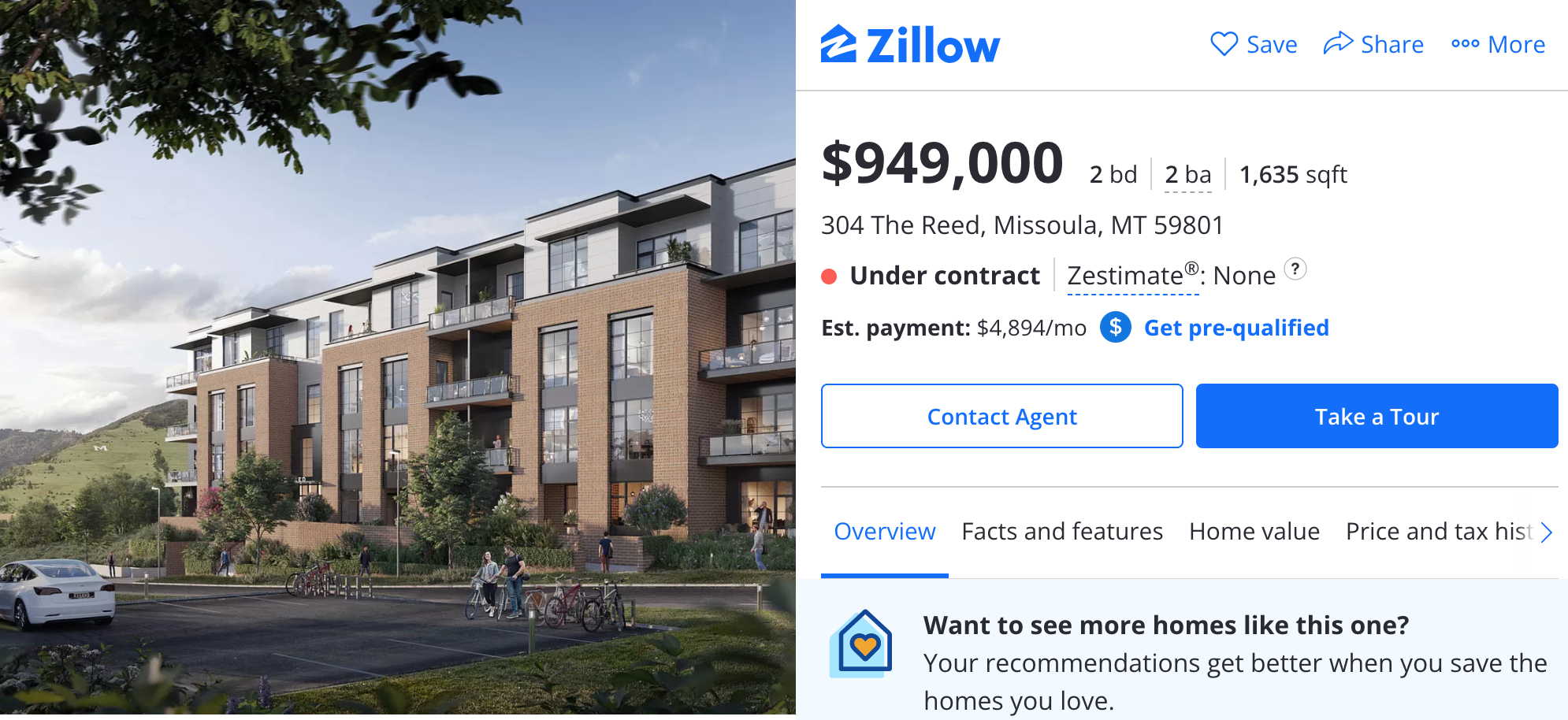
Zillow listing of a unit at The Reed
Reservations about high-income development and associated personalities is starkly exemplified with 500 South: The proposed re-development plans depict a multi-story higher-end residence with mixed commercial use options and a fixed set of affordable housing units on the base floor. The overall optics of this proposed development (see rotating images of the proposed development, below) stoke pre-existing fears with Missoula locals who are hesitant to accept any housing proposals that are defacto tailored towards higher-income tenants, particularly at price points that are likely unattainable by locals and will gravitate towards further migration of out-of-state migrants as reviewed earlier. These concerns certainly aren’t made-up: current listings at Bergquist Development’s already underway project, The Reed, show 2 Bedroom 2Bath units at just shy of $1 million dollars (see image). A very straight-forward comparative analysis of Missoula’s family and per capita incomes, which sit at ~$54 and $31k respectively (2020 figures), draw the obvious conclusion: no Missoula local will be moving into these units, at least anytime soon.
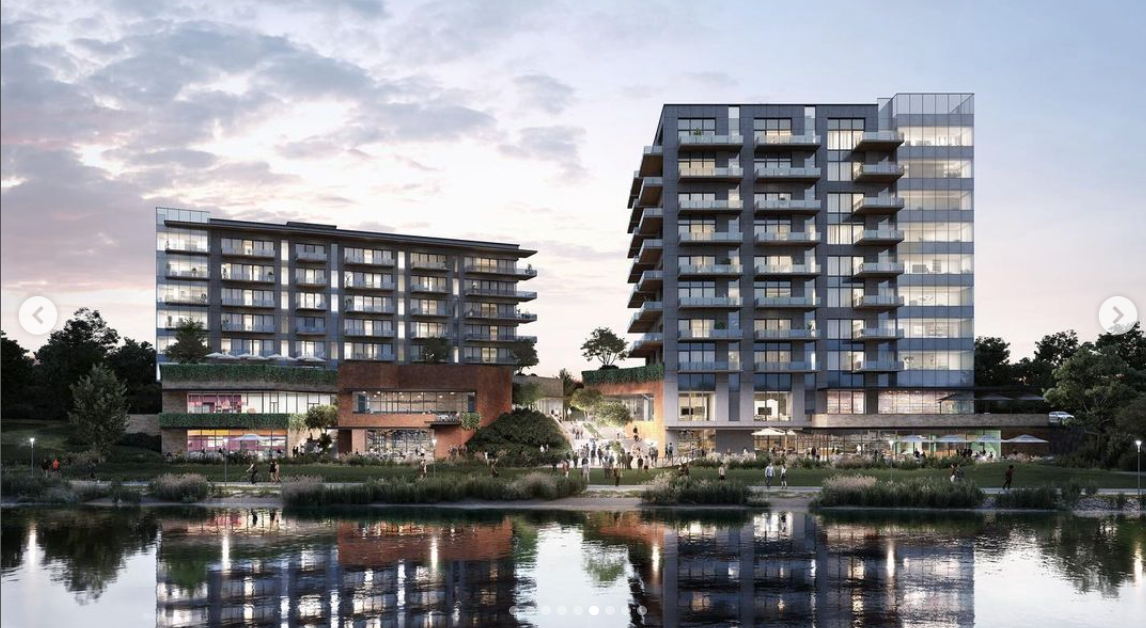
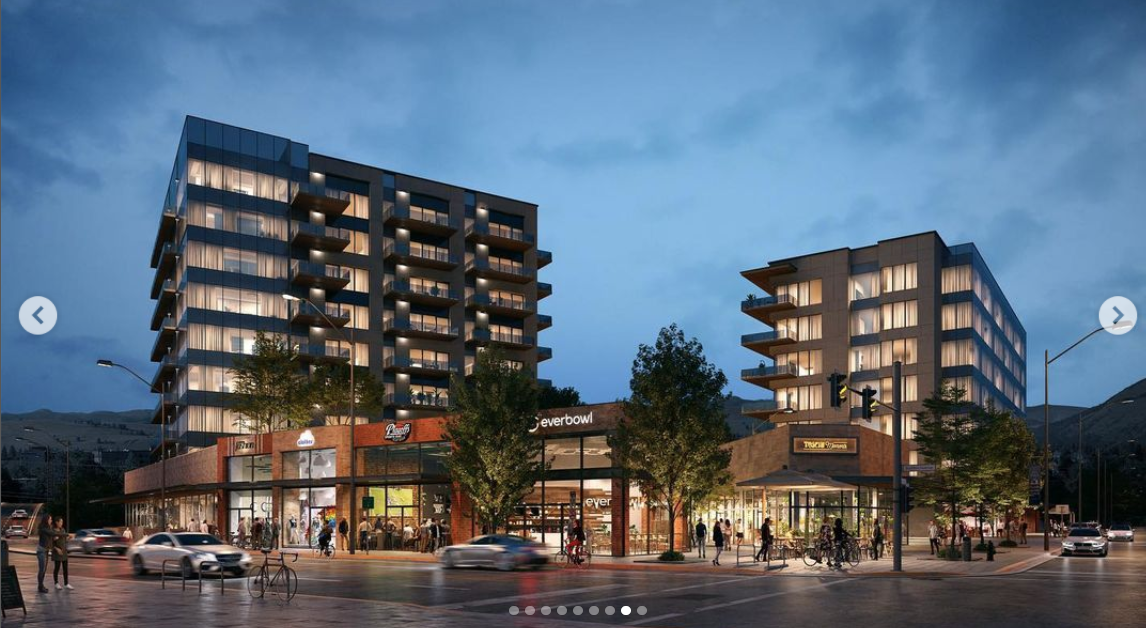
This complication is further exacerbated by public exchanges between one of the investment leads, Aaron Wagner, and Missoula locals over social media, in which a series of comments were made that only further reinforce fears of outside investors coming into Missoula with disrespect or disregard for Missoula and Montana values, customs, and ways of life. In the wake of these exchanges, Wagner did issue a public apology via the Missoulian. Nevertheless, local animosity continued, ultimately drawing in the input of Missoula Mayor John Engen:
“I certainly hear the upset and appreciate that folks reach out,” Engen said before the public comment portion of the city council meeting. “Despite what you may have read on social media, my magic wand does not allow me to pick and choose who buys and sells unless we (the city) are a property owner, and in this case we are not.”
- “Engen addresses controversial Missoulian building project”, Missoula, Dec. 1 2021
Objective perspectives here around 500 South have to be acknowledged in a few areas. Firstly, affordable housing is often viewed as a “we want it, but just not near me” development. Like many others, Missoulians want more housing flexibility, but often not in exchange of having a new grocery, local retail store, street addition, park, or other development that they can access and benefit day-to-day living. We see the “want, but no near me” effect playing out with existing affordable home developments already underway: The Villagio affordable housing project (detailed more in the next section), a large 200+ unit construction that will help alleviate some of the housing challenge, but sits at the end of Scott Street across Missoula rail near the former park at White Pine Sash.
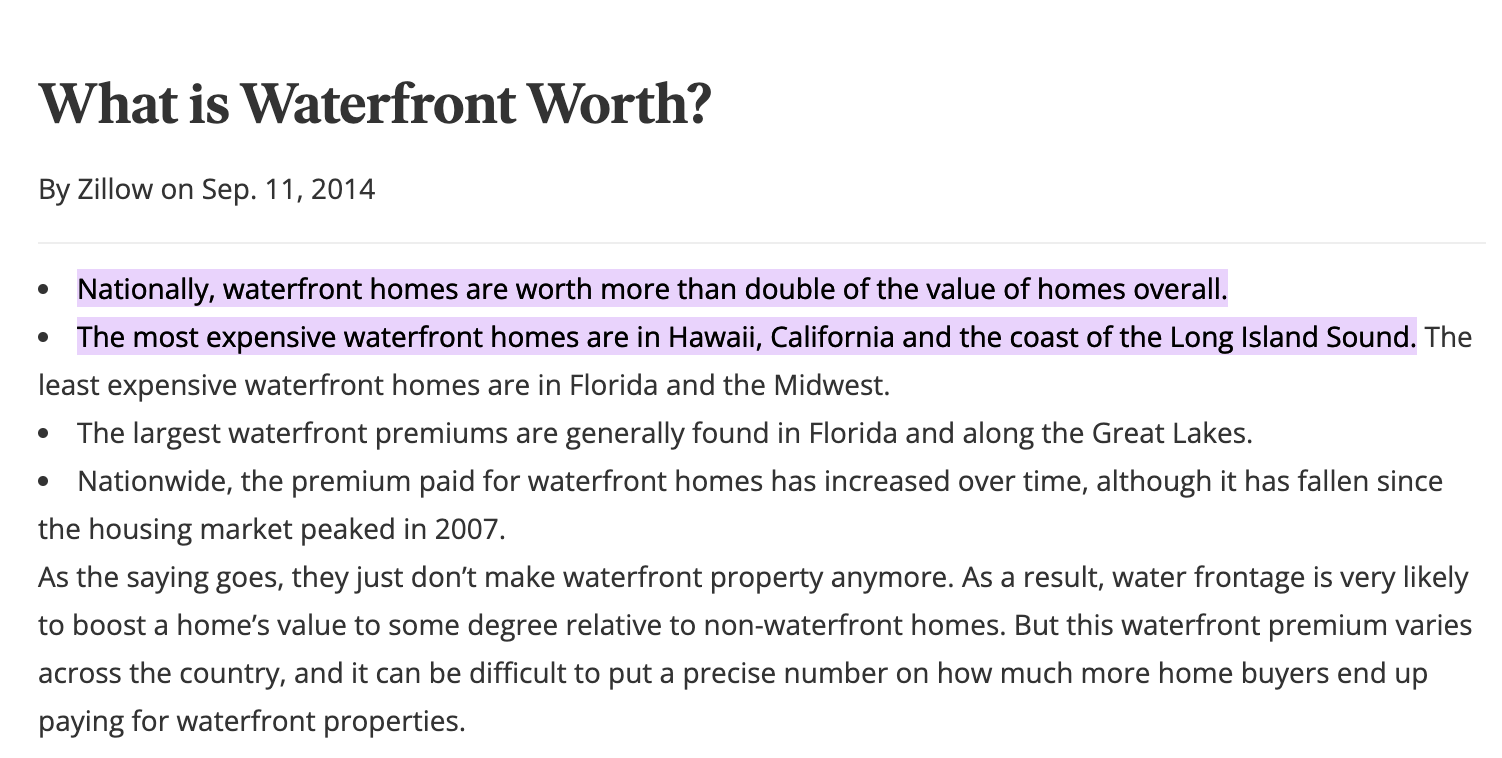
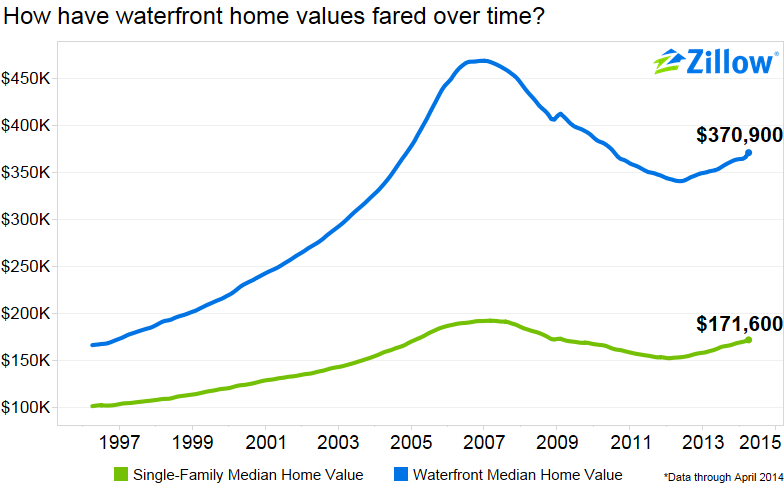
Secondly, any development along a downtown waterfront is high-demand, high-expense. As noted by a 2014 Zillow review of Waterfront homes (see rotating screenshots): “Nationally, waterfront homes are worth more than double of the value of homes overall.” Human nature persists: on average we want to live in appealing areas and will pay higher premiums for it. Both the proposed project at 500 South, and The Reed, both meet this trend and shouldn’t necessary be unexpected. This point doesn’t in anyway refute the challenges described in above sections and the public’s valid concerns about housing and development, but rather re-emphasize that public understanding needs to anticipate that future developments like these shouldn’t be surprising. The near-term focus needs to be on how Missoula can address housing challenges more effectively by identifying where there is opportunity and capacity to get involved. This will comprise the next section.
Looking Ahead at Housing and Development in Missoula
Resolving Missoula’s housing crisis is a complicated undertaking. The public response and social media exchange with Aaron Wagner and the project was grounded in the very real challenges facing Missoula locals, but the response was arguably too late in a typical proposal and project lifecycle. Housing needs to continue to be built to keep up and/or meet demand, but simultaneously public input on public projects and zoning decisions must occur at earlier phases of any project (for example, city council meetings and public project charettes), as the City Council itself noted in a recent Missoulian article:
The United States has an economic system based on capitalism and protection of private property rights; interference in those rights is illegal. Council cannot approve or deny the sale of private property, nor can it determine who will develop a property… Under Montana state law, we cannot condition rezones — in other words, we cannot approve a rezone based on a building design or the individual developer. To be clear, council did not vote on a development. When privately owned property is being sold to another private owner, council lacks the legal authority to control the development.
- Extracts from “How Missoula's land use decisions are structured”, Missoulian Dec 1, 2021
It’s important here to re-emphasize the critical difference played out in private to private property sales vs. public projects. In the former, the city and city council largely plays a minimal role based on private property law. The public feedback’s greatest impact could arguably be in influencing the project’s business partners, but the city doesn’t have the authority to direct who/what can happen with this private property sale. Notably, there has already been some response from Wagner’s project partners, such as WGM’s decision to pullback from a planned public charrette.
Longer-term, the City of Missoula’s Development Services produced (referenced earlier) in 2019 what is arguably the most comprehensive review of both current and future real estate development opportunity and capacity in the county. This review provides an in-depth look at zoning across the downtown area, and factors into consideration capacity, capability, suitability, and a set of specific zoning-based recommendations (see first of two screenshots below) and is worth reading for an in-depth understanding of how/where housing can/should be stood up in the area. Of the several project efforts underway to alleviate housing challenges, here is a quick review of two examples:
From the City of Missoula Development Services 2019 Report
(1) Villagio apartments: In May 2021, development began on the Villagio Housing project, which is being lead by the Missoula Housing Authority. As a recent Missoulian article recaps, “The $42 million Villagio will be located in Missoula's Northside neighborhood at the north end of Scott Street and is expected to take 24 months to build. When the 350,000-square-foot project is complete, the two five-story buildings will have 200 apartment units and underground parking to preserve open space. The Villagio has been a long time coming and we are so happy to reach this point," said Lori Davidson, the executive director of the Missoula Housing Authority. "It's been almost three years now that we've been working on this.” The Villagio is very directly in-line with addressing Missoula’s housing challenge, and is notable in it’s size and scale.
(2) Larchmont Golf Course Re-development: As officials and public planners scan the county looking for scaleable solutions, a recent proposal emerged to flip the Larchmont Golf Course into 2,000 affordable homes. This recommendation was met by a significant amount of public pushback and is suspect to proceed, but reflects ongoing pressure to find large scale opportunities to address the shortage. The proposal includes relocating the course across the nearby highway, but is challenged by the fact that this is a county flood plain. Officials have deferred to Missoula-based WGM group to resolve concerns as part of the proposal.
(3) Any new or proposed housing projects can be viewed at Missoula Housing’s website here
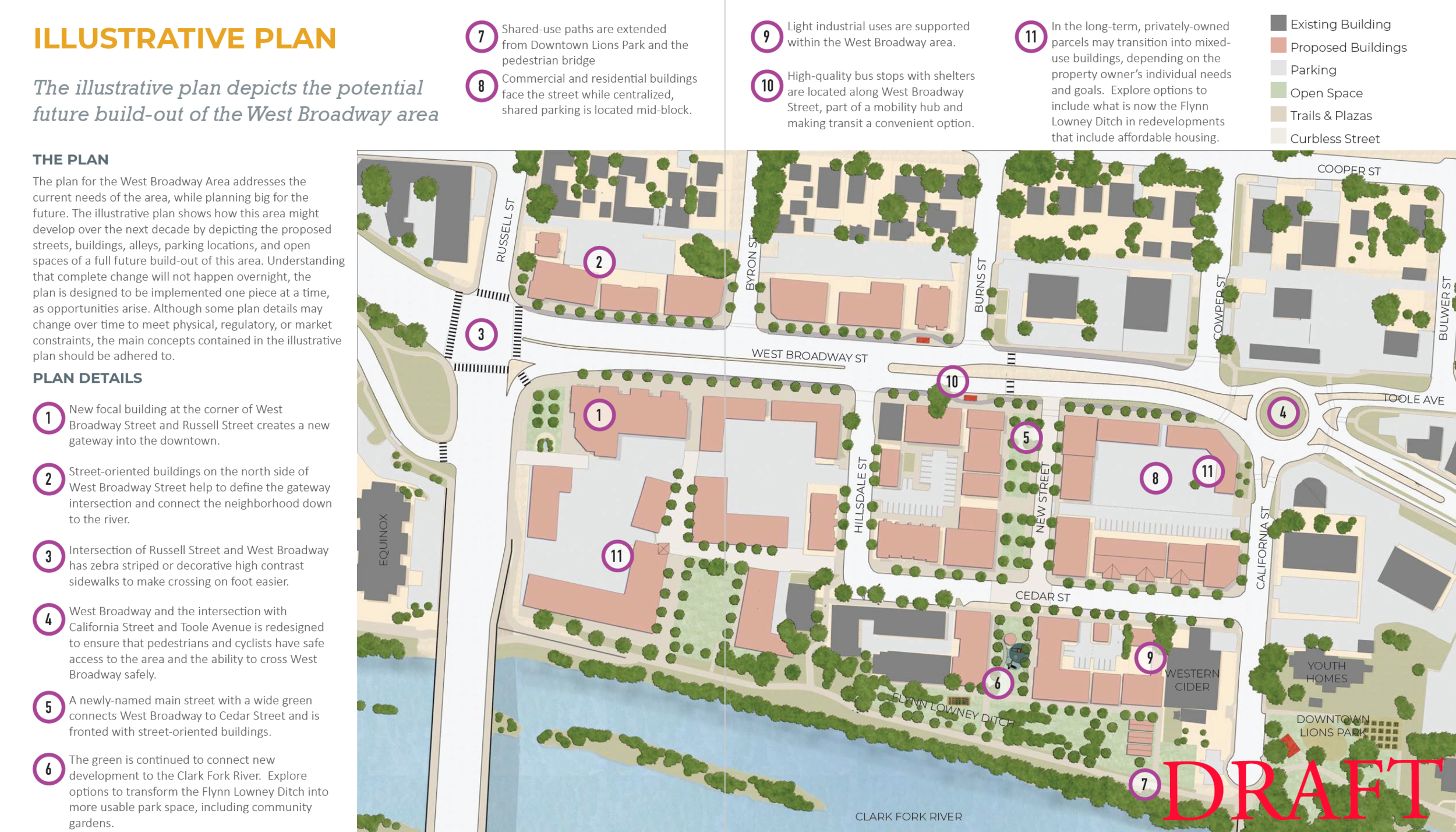
Select Screenshot (page 62) from Envision West Broadway Master Plan
Staying up-to-date on the city’s ongoing zoning discussions and proposed modifications is critical to anticipating what lies ahead for development in the county. The latest information on zoning, including a very recent update (April 7th, 2022) can be found with the Missoula County Community and Planning Services and their zoning update page here.
In terms of public involvement and engagement, a tangible example of more comprehensive urban planning and discussion can be found with the Envision West Broadway effort. As part of executing the city’s Downtown Master Plan, the Missoula Redevelopment Agency partnered with private planning firm Dover, Kohl, and Partners to initiate work on the proposed redevelopment of the West Broadway Corridor just West of downtown Missoula. “Envision West Broadway” produced a series of opportunities for both in-depth analysis incorporating an assessment of affordable housing needs (see 100+ page Master Plan) as well as several venues for public comment and input on the project:
Publicly viewable city council virtual meetings (select screenshots below)
Virtual charette for public official and local project input
Neighborhood survey for feedback on project feasibility
A comprehensive Master Plan that baked in key priorities for the city and concerns of locals
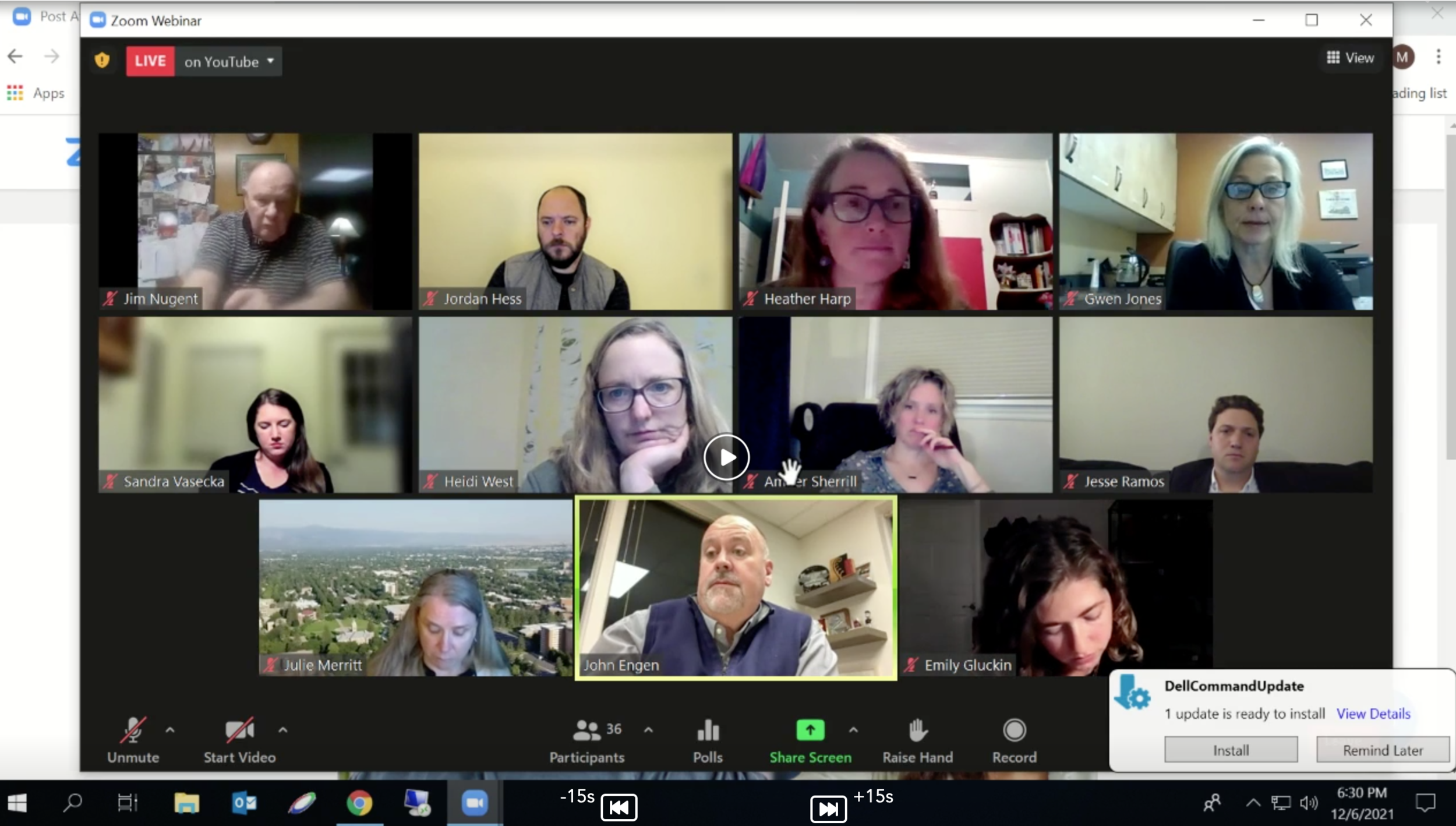
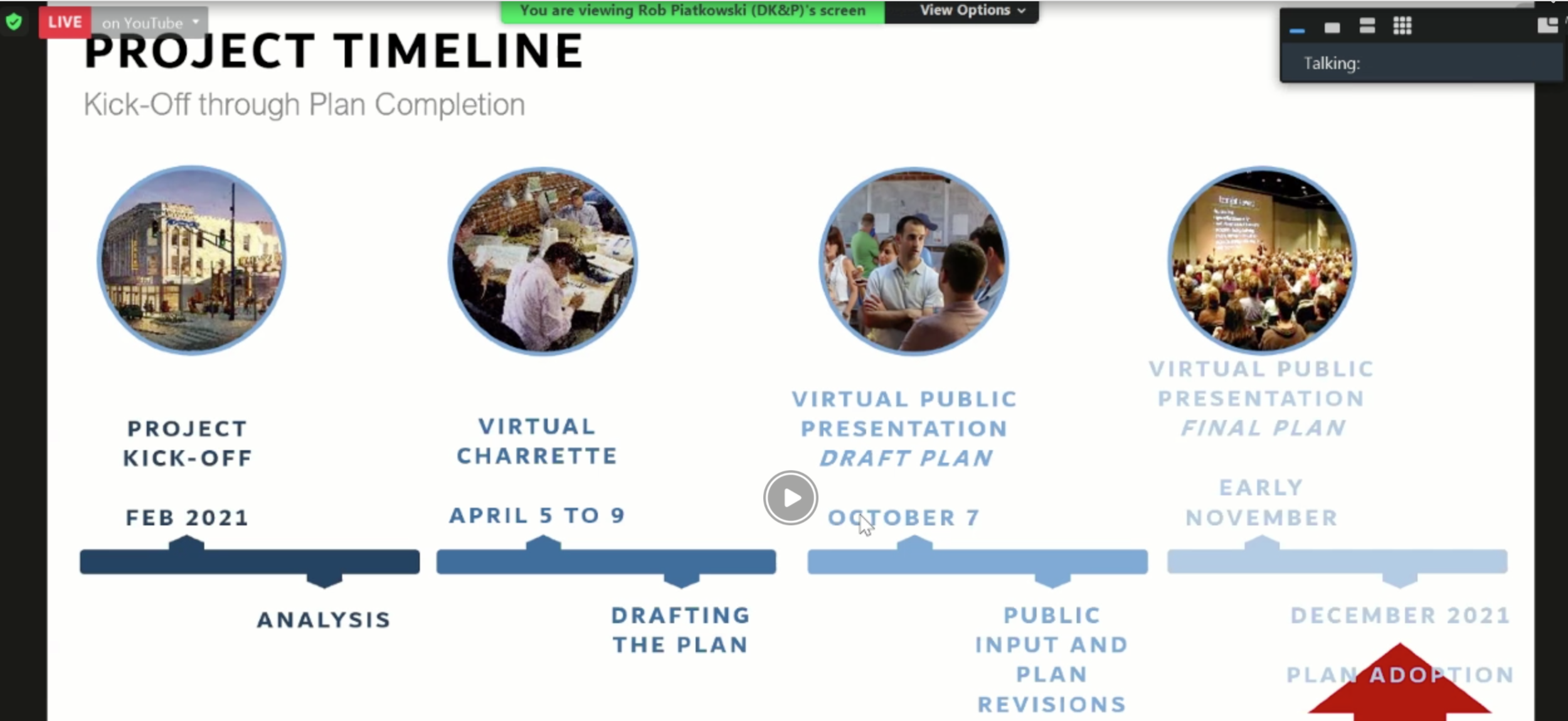
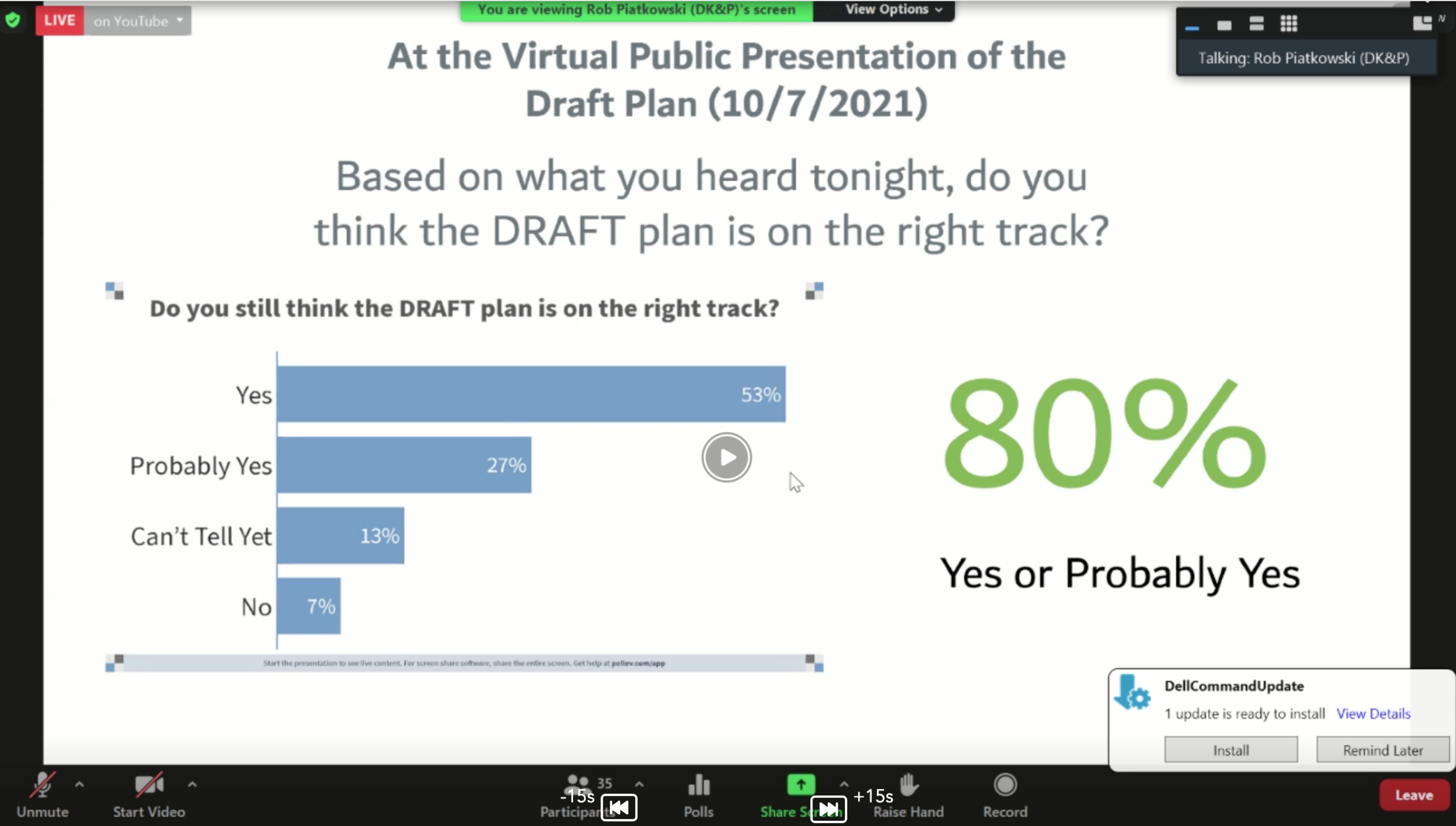
It’s important to acknowledge these efforts vis-a-vis the ongoing local dispute with the proposed Missoulian re-development. Local influence and/or say can be most effective at what could be called the project initiation stage of any development in Missoula. The re-development at 500 South is very far along in the process, with public discussions and zoning reviews having already occured 1-2 years ago. Local frustration is certainly warranted, but the tangible opportunity to influence and/or shape the direction of that particular project (regardless of how much impact can be had on a private project) has largely passed. The future of development in Missoula should incorporate as much local input as needed, but needs to also commence at the initial planning and public feedback sessions of any current or future project in order to have influence on addressing the above mentioned housing challenges. Private-to-private property sales will continue to be largely unaffected by local officials per property law, but Missoula locals can have a say in how quickly, and where, housing and affordable housing is constructed.
Noteworthy upcoming event: May 2nd, Board of County Commissioners Public Hearing- Proposed Zoning
For more information, see link here